
On Monday, we in the United States will celebrate Memorial Day, commemorating the millions of people who have died during military service. I’m proud to mark this date and reflect on the sacrifices made to protect freedom. As we honor those who served, the long weekend also traditionally kicks off the unofficial start of summer — filled with beach time, picnics, camping and cookouts. Unfortunately, the prices of these celebrations could put a significant dent in our holiday budgets.
According to food and agribusiness financial firm Rabobank, the cost of hosting a cookout will be 4.21% more expensive this year. Ongoing trade disputes are, of course, a factor. Yet it’s not just tariffs that are to blame for the higher grocery bills: “Beef prices are rising due to weather-related processing delays, strong consumer demand and a U.S. herd that is rebuilding,” FoodNavigator reports, adding that prices are up 6.44% over last year.
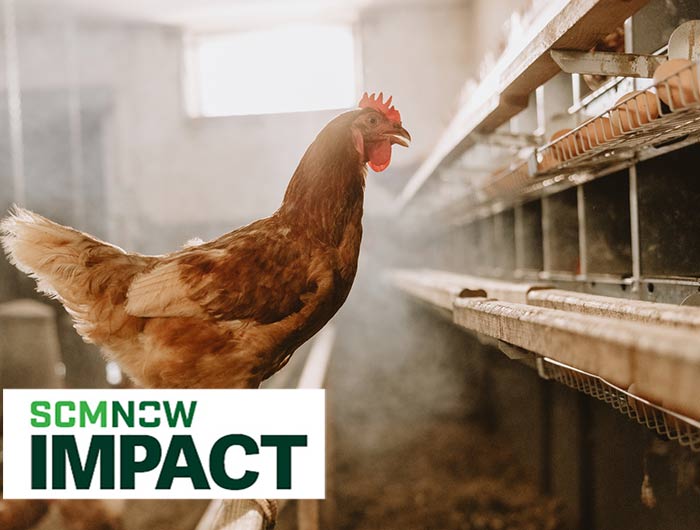
As consumers look for more affordable protein alternatives, poultry prices are also surging. Further, FarmProgress reports that another reason for chicken’s increased cost — up a significant 15.67% — is disease. (Who could forget the soaring price of eggs after the devastating bird flu outbreak?) Thus far, farmers are still challenged to normalize production.
Another pricey culprit on the picnic table are tomatoes. As with beef, 70% of tomatoes consumed in the United States are imported, bumping costs 16.87% year-over-year. Plus, starting on July 14, fresh tomatoes from Mexico will come with an added 21% duty, following recent actions by the U.S. government. Besides tariffs and trade flows, FarmProgress also pinpoints input, regulatory and labor costs as the primary drivers of the increased prices.
In fact, agriculture is facing a shrinking workforce and experiencing ongoing difficulty attracting and keeping talent. Per FoodTech: "Labor shortages have become one of the most pressing challenges in the food industry in 2025. The sector is experiencing a shrinking workforce due to an aging labor pool, negative industry perceptions and lingering effects of global health crises."
As I recently told Newsweek, “Younger people aren't as interested in doing manual jobs. ... The domestic supplier ecosystem, transportation, rail, warehousing — they all need to be developed. The infrastructure just isn't there in the short term."
Of course, in order to combat these shortages, companies are forced to offer higher wages and other incentives, which directly translate into increased operational costs that are passed on to consumers, dampening summer celebrations.
Strategic sourcing is the secret ingredient
Supply chain professionals know all about the importance of prioritizing cost-cutting measures. To boost your own procurement know-how and help your organization become more competitive, check out ASCM’s Supply Chain Procurement Certificate. You’ll learn how to develop an expert strategic sourcing strategy, engage in effective contract-management negotiations, review procurement performance using data and metrics, and engage in sustainable and ethical sourcing — all crucial steps in lowering prices from the start. Armed with the ASCM Supply Chain Procurement Certificate, you’ll be able to tackle escalating costs head-on and help your organization avoid a costly financial flare-up.