
As we head into the winter season here in Chicago, the weather is turning colder and the days darker. Holiday lights help warm things up a bit — if only mentally — but a hot cup of coffee remains a winter essential for many. Unfortunately, the cost of our beloved brew is going through the roof.
“Arabica coffee prices have hit their highest level since 1977 as concerns grow about tight global supplies,” The Wall Street Journal reports. Extended drought and extreme temperatures in “powerhouse” coffee-grower Brazil are causing the higher prices and low production; meanwhile, more exports are reducing stockpiles. In fact, poor weather conditions have been plaguing Brazil for four years, the Journal goes on to explain, so “high coffee prices are needed to rationalize a further supply response.” On the bright side, other nations have been boosting their coffee production in recent years, and that trend is likely to continue.
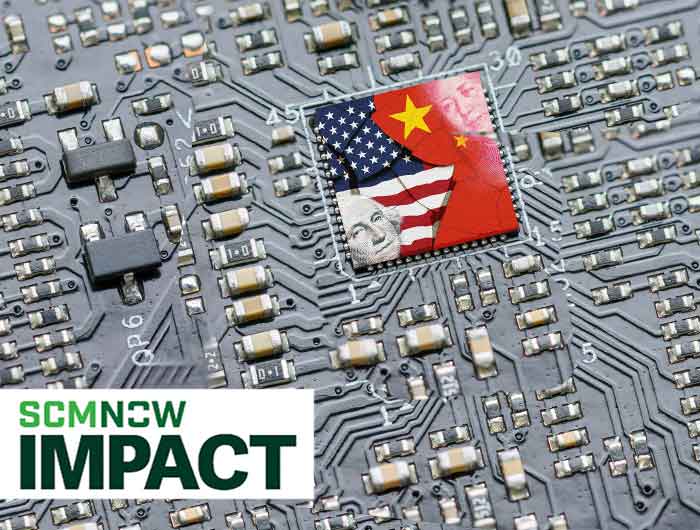
Still, no matter how much coffee is grown, soaring prices will be inevitable if the United States levies new tariffs “of 25 percent on Mexican and Canadian goods and an additional 10% on Chinese merchandise” as President-elect Trump has promised to do, per The Washington Post.
Harvard Business Review cites research on the effects of increased tariffs during Trump’s first term: “By and large, American importers and, to a lesser extent, American consumers paid for the tariffs set during Trump’s first term.” Washing machines, for example, saw a 20% price increase and “the trade war diminished U.S. economic well-being by 3%, based on how tariffs affected firms’ cash flow.” Despite the intentions of the tariffs at that time, manufacturing did not return to the United States, the article goes on to say. This was largely because importers moved sourcing to other countries, such as Vietnam, rather than reshoring production. Also, there were few U.S. factories with idle capacity that could easily replace Chinese imports.
Many companies are already working to prevent severe price jumps. Home products retailer Williams Sonoma “is prepared to reduce its exports to China if tariffs increase and has mapped out a category-by-category plan to reduce sourcing from the country as well,” Supply Chain Dive reports. The company’s supply chain is vertically integrated, with 90% of the products being exclusive and proprietary with its own sourcing operations. Notably, Williams Sonoma is the 11th-largest container importer in the United States, giving the company enormous leverage in its partnerships and the “scale and strategy to pivot.” Additionally, a significant portion of its production is already based in the States, including North Carolina, Mississippi and Oregon — a definite advantage in the protection against future tariffs.
There are ways to help protect your supply chain from a “tariff-related supply chain crisis,” Forbes advises:
- Stockpile inventory: Import products now before any tariffs go into effect.
- Diversify: Look for new sourcing and production outside of China, Canada and Mexico.
- Manage financial impact: There may not be anything you can do to avoid paying high tariffs on some goods, but look for other places to save money, including “improving operational efficiencies, renegotiating contracts or adjusting pricing strategies,” as well as adopting the latest technology.
Building a strong defense
No matter what the future holds, supply chain professionals must prepare for change. One way to ensure you don’t get left behind is with ASCM’s comprehensive APICS training programs and certifications. Become certified in planning and inventory management; logistics, transportation and distribution; supply chain transformation; and much more. Our cyber sale continues through the end of today (Friday, December 6), so hurry to take 15% off a Learning System, bundle and certificate programs. Use promo code CYBER24 to begin warming up with winter savings!