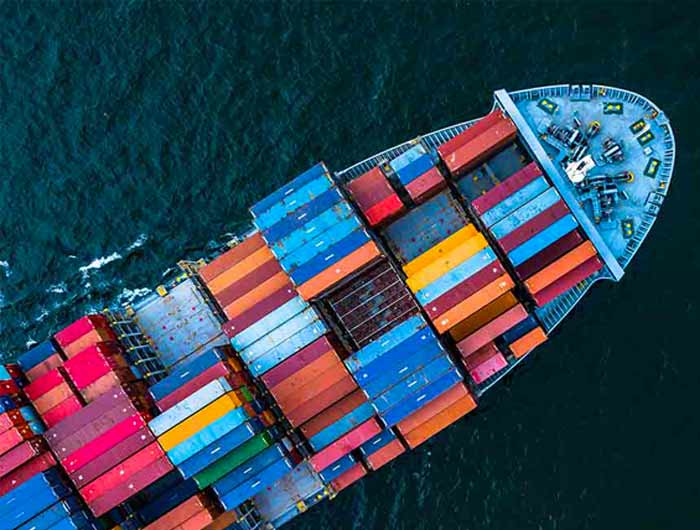

A collision of geopolitical tensions and extreme weather is pushing the world's critical pharmaceutical supply chains to a breaking point. In response, major pharma companies are making strategic, multi-billion-dollar investments to re-engineer production, marking a fundamental shift in how these networks are designed and managed. This isn’t just a business decision; it’s a matter of both public health and national security — and it highlights that, for today’s supply chains, the ability to withstand and recover from shocks is as vital as cost-efficiency.
This new reality came into focus this past week, when Johnson & Johnson announced a $2 billion investment to expand its local manufacturing presence, per Reuters. According to the article, the move is a direct response to current U.S. trade policies, which include proposed phased-in tariffs for the pharma sector that "could start small but eventually rise to 250%”. In a sign of things to come, J&J plans to build a massive manufacturing facility in North Carolina, creating about 120 new jobs.
For supply chain professionals, the tariff era means learning to balance financial priorities with long-term resilience. For consumers, though, it can be a matter of life and death. This is largely because a drug’s journey from raw material to finished product is far more complex than most people realize, and these political maneuvers are disrupting that delicate balance.
A New York Times analysis offers a stark examination of this complexity by showing how many well-known drugs made. Active ingredients for a single medication often come from more than one country; then, these components are shipped to another location to be formulated and processed into their final dosage form, such as tablet, capsule or liquid.
Structural dependence on a handful of global hubs for life-saving medicines is a major vulnerability — one that's pushing major players to make investments in localization. Indeed, J&J isn’t alone:
- Eli Lilly and Company has plans for more than $50 billion in U.S. capital expansions, including four new manufacturing sites that will focus on producing active ingredients and other key components.
- Novartis has committed to a $23 billion investment over five years to expand its U.S. manufacturing and research footprint.
- Roche announced it will invest $50 billion in existing and new U.S. manufacturing facilities over the next five years.
Importantly, tariffs are not the only threat to pharma networks. New research from the American Cancer Society found that nearly two-thirds of production facilities are located in a nation that experienced at least one weather disaster between 2019 and 2024. The study cited Hurricane Helene in 2024, which triggered a nationwide shortage of intravenous fluids, proving that both political and environmental factors have converged to challenge supply chain integrity and patient care.
Behind the scenes of health care logistics
These and many other key issues are addressed in The Chain, a six-part documentary that offers an unparalleled look at the inner workings of supply chains. We'll be sharing more about this exciting release very soon; in the meantime, explore the ASCM Supply Chain Resilience Certificate to fully integrate resilience into your supply chain organization. You will learn how to make data-driven decisions, protect your company's bottom line and ensure the well-being of end consumers. Get started today.